In Vitro Fertilization (IVF)
Eggs are retrieved and combined with sperm in our lab to create embryos; one is then gently placed in the uterus.
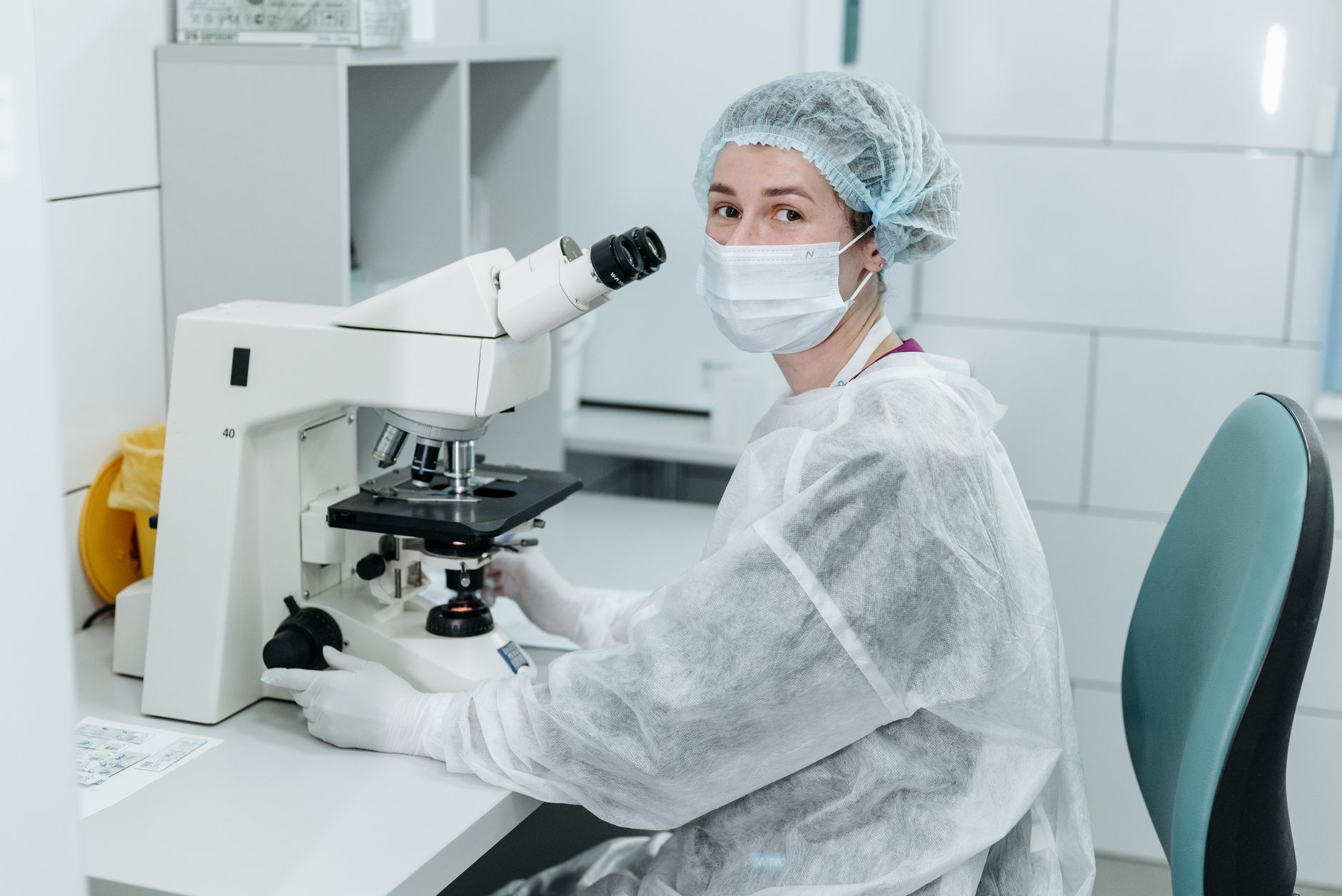
For People with blocked tubes, ovulation issues, male-factor, unexplained infertility, or when other treatments haven’t worked.
This may be right if…
- Other treatments haven’t led to pregnancy
- Blocked or damaged fallopian tubes
- Significant male-factor infertility
- You want to screen embryos genetically
- Diminished ovarian reserve or age-related decline
What to expect
Step by step, here’s how it tends to go — your team adjusts everything to you.
Stimulation
About 9–12 days of nightly injectable medication encourages several eggs to mature at once.
Monitoring
Quick morning blood draws and ultrasounds — every couple of days — let us fine-tune your dose.
Egg retrieval
A 15–20 minute procedure under light sedation. Most people are back to normal the next day.
Fertilization & embryo growth
Our embryologists fertilize the eggs and watch the embryos develop over 5–6 days. Optional genetic testing happens here.
Embryo transfer
A quick, painless procedure places one embryo in the uterus — or we freeze embryos for a later transfer.
Pregnancy test
About 10–14 days later, a blood test confirms the result, and we’re with you for whatever comes next.
What’s included
- Personalized stimulation protocol
- All cycle monitoring visits
- Egg retrieval under sedation
- On-site embryology & fertilization (ICSI available)
- Single embryo transfer
- A nurse coordinator through every step
Common questions
When should I see a fertility specialist?
What’s the difference between IUI and IVF — and which is right for me?
How much does treatment cost, and will insurance cover it?
How many embryos do you transfer?
IUI
Prepared sperm is placed directly into the uterus around ovulation — a simpler, less invasive first step.
Genetic Testing
Screen embryos for the right number of chromosomes (PGT-A) or for a specific inherited condition (PGT-M) before transfer.
Fertility Testing
A clear, gentle workup — hormones, ovarian reserve, and a semen analysis — so you understand exactly where you stand.