Genetic Testing (PGT)
Screen embryos for the right number of chromosomes (PGT-A) or for a specific inherited condition (PGT-M) before transfer.
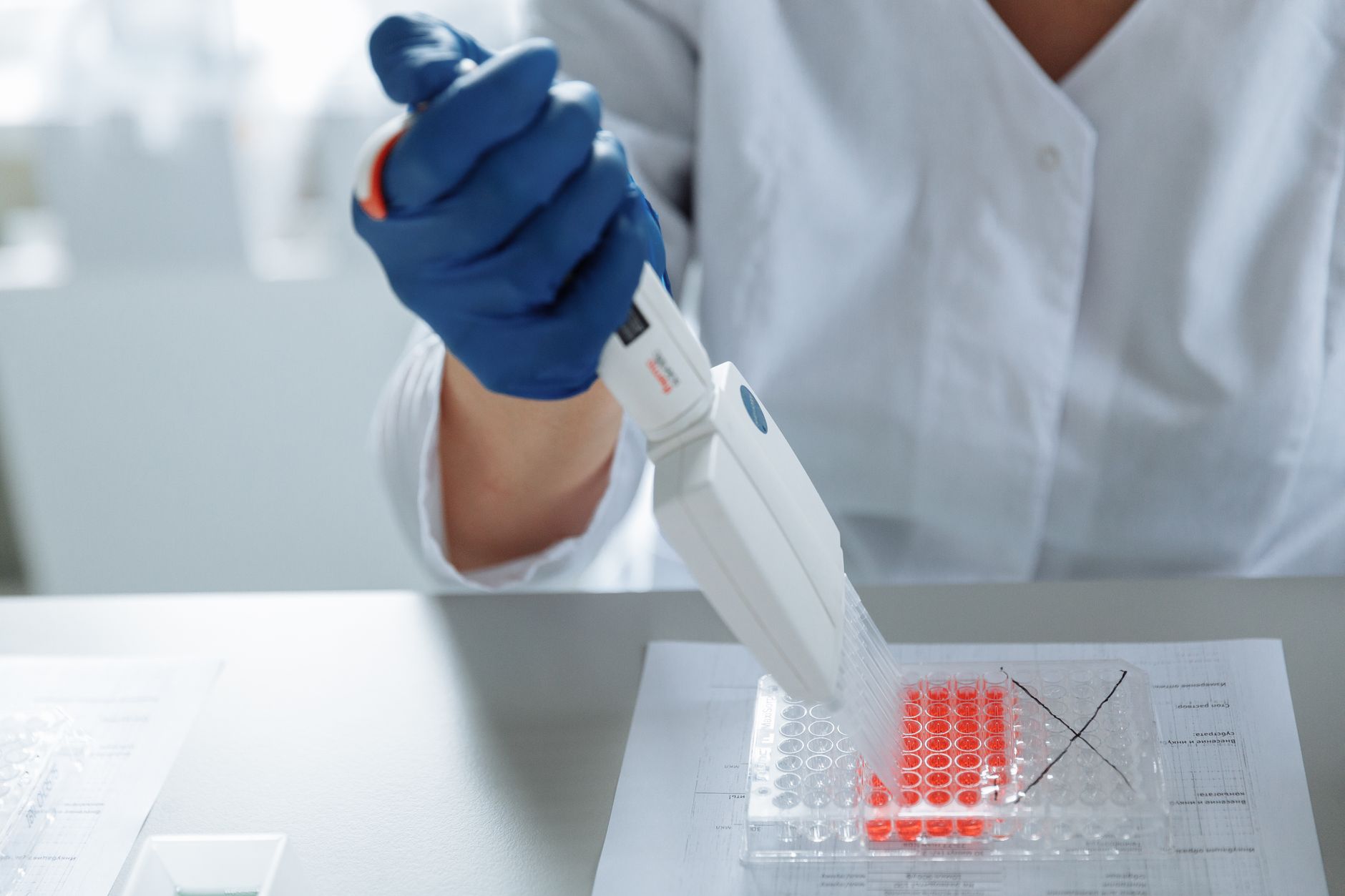
For People doing IVF who are older, have had recurrent miscarriage or failed cycles, or carry a known genetic condition.
This may be right if…
- You’re doing IVF and want to screen embryos
- A history of recurrent miscarriage
- Previous failed IVF cycles
- You or your partner carry a genetic condition
- You’d like to understand each embryo before transfer
What to expect
Step by step, here’s how it tends to go — your team adjusts everything to you.
It happens during IVF
PGT is an add-on to an IVF cycle — there’s no separate procedure for you.
Embryo biopsy
Our embryologists take a few cells from each embryo at day 5–6, safely, while it continues to grow.
Lab analysis
A genetics lab analyzes the cells and reports which embryos are chromosomally normal.
A counseled decision
A genetic counselor walks you through the results so you can choose the embryo to transfer with confidence.
What’s included
- Embryo biopsy at the blastocyst stage
- PGT-A (aneuploidy) screening
- PGT-M / PGT-SR for known conditions
- Genetic-counseling session
- Results reviewed with your REI
Common questions
How much does treatment cost, and will insurance cover it?
How many embryos do you transfer?
What is PGT genetic testing, and do I need it?
IVF
Eggs are retrieved and combined with sperm in our lab to create embryos; one is then gently placed in the uterus.
Fertility Testing
A clear, gentle workup — hormones, ovarian reserve, and a semen analysis — so you understand exactly where you stand.